IonQ's Superion 256 Is a Factory Pitch, Not a Lab Toy
IonQ used 8 September to say the quiet part as a product name. Superion 256 is a 256-qubit trapped-ion machine designed to be built on semiconductor lines, not assembled as a one-off in a lab. Orders are open. Customer deliveries are 2027. The first system was pre-sold in the first quarter of 2026. Cloud access is part of the plan.
This is a fact piece about a hardware announcement. It is not a suggestion to buy or sell IonQ stock, anyone else’s stock, or time in a quantum cloud.
What actually went on sale
The company blog is the primary source. Superion is a product line, not a single fridge. 256 is the first generation you can order. Everything after it is supposed to keep the same ions, the same qubits, the same electronic control, and the same chip fabric, stretching the marketing from 256 qubits toward millions. Treat “millions” as a roadmap sentence. Treat 256 and a 2027 dock date as the purchase order.
IonQ has shipped five generations to customers since 2019. Tempo is the current one. Superion is billed as the sixth. The Quantum Insider’s write-up repeats the same delivery and pre-sale facts as the press release, which is what you want from a trade recap: order now, boxes in 2027, production-grade machines on IonQ’s cloud as well.
SiliconANGLE’s Duncan Riley adds the manufacturing claim that matters if you already follow this beat. Control chips are made on standard semiconductor processes so the company can talk about volume. That is the whole pitch. Not a prettier Bloch sphere. A foundry.
Walking Cat, qLDPC, and the dates that keep sliding right
In April 2026 IonQ published Walking Cat, its fault-tolerant architecture. In August it reported breakeven quantum error correction with qLDPC codes on a Tempo engineering test system. Superion 256 is not that architecture in a box. Superion 10K, already in development, is the generation IonQ says will run Walking Cat, with CMOS on the chip.
Chris Ballance, IonQ’s president of quantum computing, told SiliconANGLE he wants laboratory-level fault tolerance in 2027 and a manufacturable commercial version in 2028. He also said dropping laser control should cut cost per qubit by more than 300 times across the roadmap. That 300x is a company figure on a slide that includes machines you cannot order yet. Put it next to the 2027 delivery, not on top of it.
Quantum Computing Report, which follows this stack more closely than general tech press, locates Superion 10K as the hardware target for Walking Cat: on-chip cryo-CMOS plus qLDPC blocks, lab fault tolerance 2027, volume manufacturing 2028. It also says Superion 256 went through six tapeout iterations in the first half of 2026, with design cycles compressed from nine months toward something much shorter, fabricated at SkyWater. SkyWater is the foundry name IonQ wants you to remember. CMOS at volume is a foundry story. Trapped ions still have to behave.
If you have been reading this site’s quantum file — Dirac moving into Equinix, the error-correction milestone — Superion is the trapped-ion answer to the same question those pieces asked about superconducting and silicon spin: can anyone stop treating each machine as a science fair.
Upgradeable is the word they paid for
IonQ’s language is “upgradeable platform.” The idea is you are not buying a frozen 256-qubit artifact. You are buying into a chip and control family that later SKUs extend. That is how semiconductor companies talk when they want capex to look like a relationship.
It is also how you avoid answering “what can 256 physical qubits do for a bank in 2027.” Maybe something narrow. Maybe a cloud demo that looks like Tempo with a new badge. The honest product is the manufacturing story. If the control electronics move from lasers and racks onto chips SkyWater already knows how to print, the cost curve can bend. If they do not, you have another named generation and another Investor Day.
Ballance called Superion the most important inflection the industry has seen, the move from one-off lab machines to units with “compelling unit economics and modest energy consumption.” Press-release English. The test is whether 2027 deliveries exist, whether cloud jobs run on those boxes, and whether 10K shows up as more than a rendering.
How to read this without a trading desk
Compare the dates, not the adjectives.
You can order Superion 256 now. You cannot take delivery this winter. Fault tolerance is attached to 10K, 2027 in the lab, 2028 in the factory story. Breakeven qLDPC already happened on a Tempo test system, which is encouraging and also not the same as a sold machine correcting errors in production. Pre-sale in Q1 2026 means at least one customer signed before the public launch. That customer is not named in the materials I have.
None of that tells you who wins the next decade. Rigetti, IBM, and the silicon-spin shops are running parallel factory pitches. IonQ’s differentiator on this announcement is trapped ions plus a foundry partner plus a willingness to sell a 256-qubit generation that is explicitly not the fault-tolerant one.
If you run infrastructure, the operational question is smaller. When a vendor says “available on our cloud” in 2027, ask which region, which queue, and whether your data stays on that vendor’s metal. When they say “server-rack deliveries,” ask for power, cooling, and who is allowed in the room. Those questions are boring. They are how lab machines fail to become appliances.
The part that is new
Plenty of quantum launches recycle the same nouns. Superion’s new nouns are specific: sixth generation, 256 qubits you can PO, SkyWater, on-chip electronic control, CMOS on the 10K follow-on, Walking Cat reserved for that follow-on, 2027 trucks, 300x cost talk tied to killing lasers.
Keep those. Throw out inflection. Throw out millions of qubits until a generation between 256 and 10K exists in a room with a nameplate.
That is the whole list.
Pencil, not ink.
Write the 2027 delivery window on the calendar in pencil.
Ask for the power draw in writing. If they cannot say kW, they cannot say modest.
Keep the 300x cost-per-qubit figure in a footnote until a Superion invoice exists. Roadmaps eat factors. Hardware does not.
None of this is a buy or sell. It is a packing list for a machine that is not here yet.
SkyWater’s name in the release is doing sales work. A pure-play foundry means IonQ does not have to pretend it is TSMC. It also means yield, process nodes, and a queue you do not control. Six tapeouts in half a year is hustle. It is not a guarantee the seventh is the one on the truck. Put acceptance tests in the purchase, including the qLDPC numbers they already published on Tempo, restated on Superion hardware.
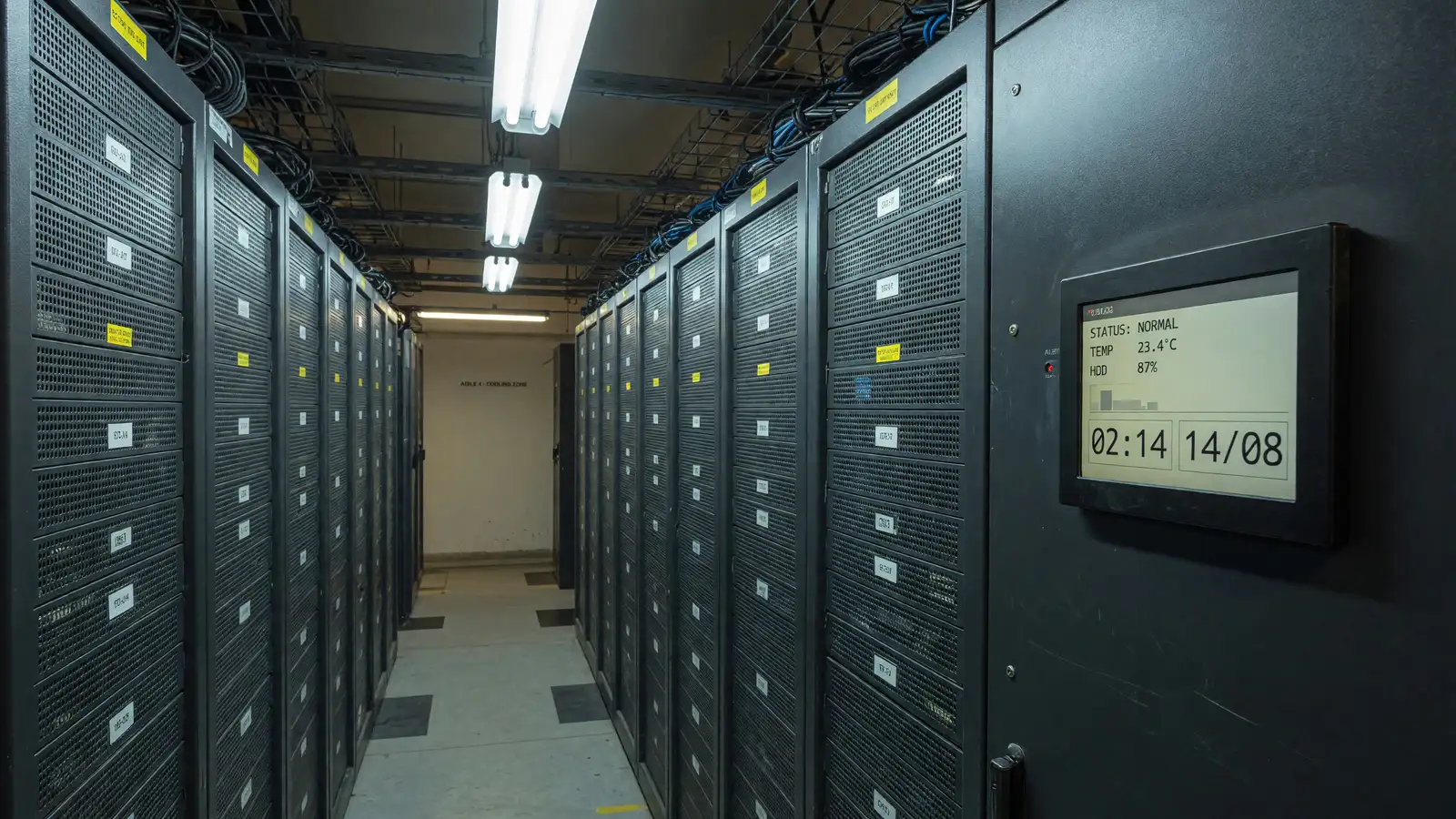
On-prem versus cloud is not a branding choice here. A rack in your room has export-control paperwork, a service contract, and a person who has to walk in when the cryo stack complains. A cloud queue has a terms-of-service page and a wait. Superion’s launch says both. Your lawyers will pick one. Write that pick down before the 2027 truck is imaginary.
Walking Cat remaining on the 10K generation is the split you should keep on a sticky note. Superion 256 is the thing you can order. Fault tolerance is the thing they will try to manufacture later. Mixing those in a single paragraph is how press releases work. Mixing them in a purchase request is how you get a 256-qubit box and a 2028 excuse.
Tempo is the machine you can already rent. Superion is the machine with a purchase order and a foundry slide. Do not collapse them. A breakeven qLDPC result on a Tempo engineering system is a science result. A 256-qubit SKU with 2027 trucks is a manufacturing bet. IonQ wants you to read them as one story. They share ions. They do not share a delivery date.
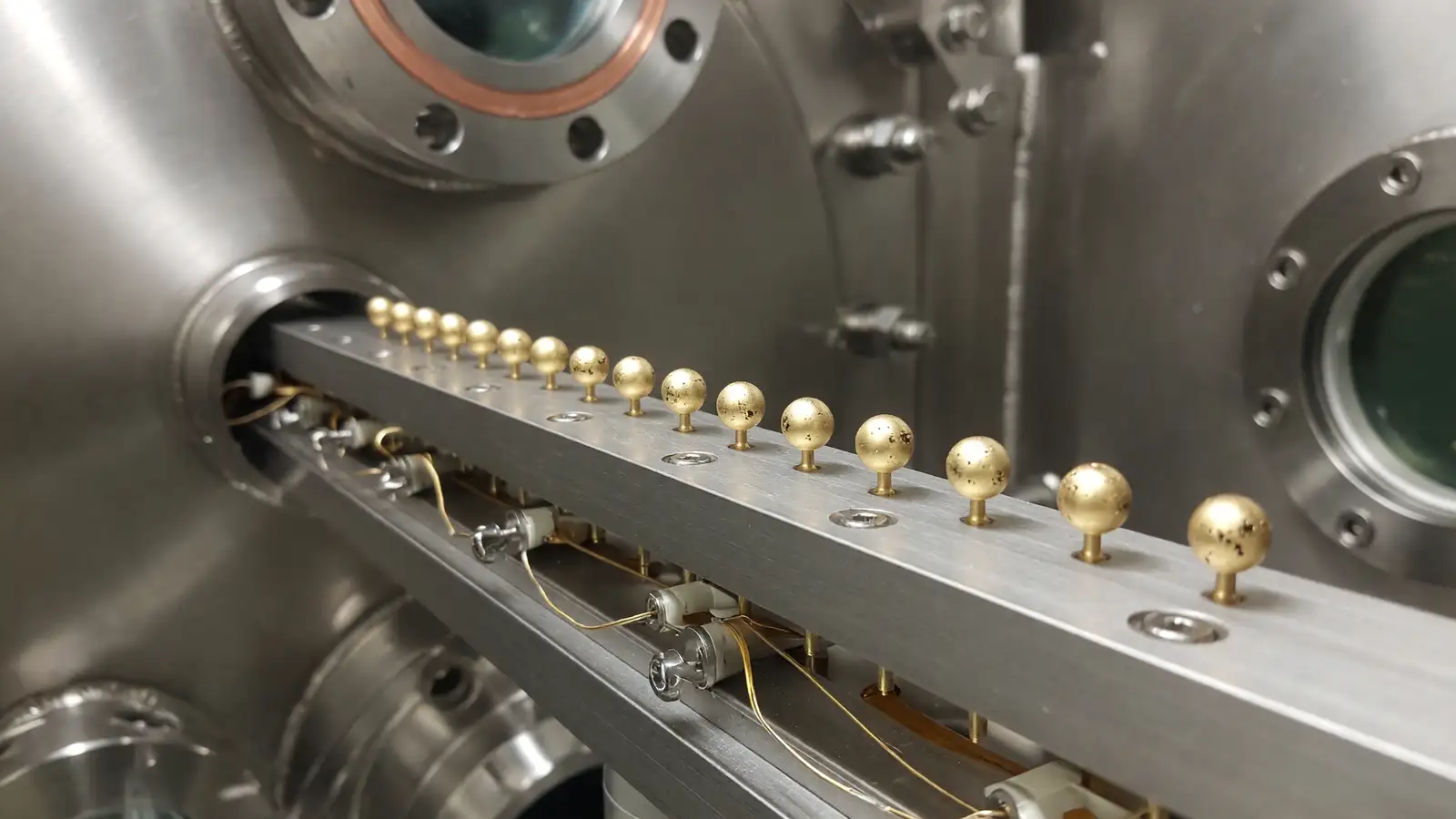
Trapped-ion systems have always looked awkward next to superconducting chips that live in dilution refrigerators the size of a closet. The IonQ claim this week is that awkwardness can be poured into a chip SkyWater already knows how to make. If on-chip electronic control replaces a forest of lasers, the room gets smaller and the bill of materials looks like a semiconductor product. If it does not, you still have a rack, and you still have a laser table hiding in the adjective “electronic.”
Tapeouts are the unglamorous evidence. Quantum Computing Report says six of them in the first half of 2026, cycles that used to take nine months. That is a foundry cadence, not a lab cadence. It can still produce six bad chips. Ask, when the first system lands, which tapeout is in the box.
Energy is the other adjective in Ballance’s quote: modest consumption compared with the folklore of quantum as a power plant. Modest compared with what. A GPU rack. A dilution fridge farm. A Tempo. Without a number next to a duty cycle, “modest” is a brochure. Facilities teams should ask for kW at heat load, not at keynote.
Buyers should also ask what 256 physical qubits are for on day one. Not “millions later.” Day one. If the answer is cloud access to a named machine and a notebook that looks like last year’s Tempo demo, you are paying for a queue. If the answer is an on-prem rack with an upgrade path written into the contract, you are paying for a relationship. Those are different POs.
The rest of the industry is not frozen while IonQ sells a name. Superconducting groups are signing government R&D money. Silicon spin is talking data center. Error correction papers land every month. Superion is IonQ’s way of saying they want to be in the catalog, not only in the arXiv. Catalogs have SKUs, lead times, and return policies. Put those in the contract. Leave inflection in the press release.
IonQ did not invent manufacturable quantum this week. It put a SKU on the idea and gave purchasing a year-plus to argue with facilities. That is more concrete than another white paper. It is still a pre-order.