
web3
Bitcoin USDT Is an October Plan. Not a Wallet.
DigitalToday, Oct. 4: Utexo says it has a license to issue USDT on Bitcoin. No dated piece this week names a day or a live wallet.
Understand the future of decentralized internet, including DeFi, NFTs, and DAOs
DigitalToday, Oct. 4: Utexo says it has a license to issue USDT on Bitcoin. No dated piece this week names a day or a live wallet.

An Oct. 3 report says Abracadabra's shutdown proposal puts MIM backing under 4 cents, with about $21 million in bad debt and two wallets on the Snapshot.

RealFi reaches Cardano mainnet on Oct. 1 with USDr and sUSDr. July's yield list and later Treasury wording do not match, and Fireblocks timing does not either.

PayPal, M0, and MoonPay took PYUSDx live. Saturn, Concrete, and Cap have already processed over $100 million. This is issuance infrastructure, not a new consumer coin.

Visa is feeding VisaNet history into onchain lenders so stablecoin card programs can borrow working capital. $20 billion annualized settlement. Credit Coop already did $2.5 billion. This is credit, not a coin drop.
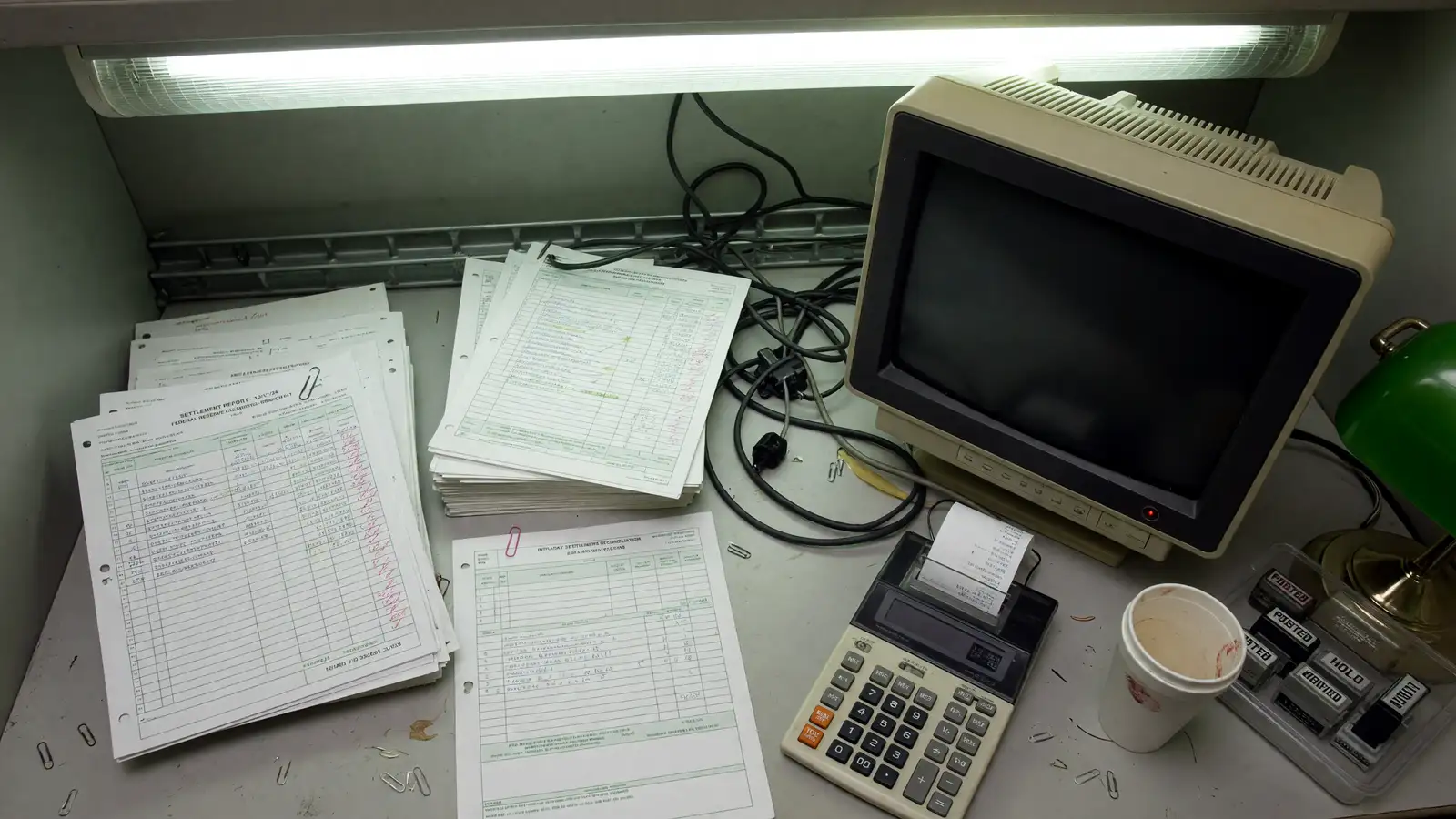
On 9 September the bank said a live USBDC pilot sent a cross-border payment between its own North American and European entities. Mint, redeem, freeze, clawback. Public chain, bank controls. Not a retail app.
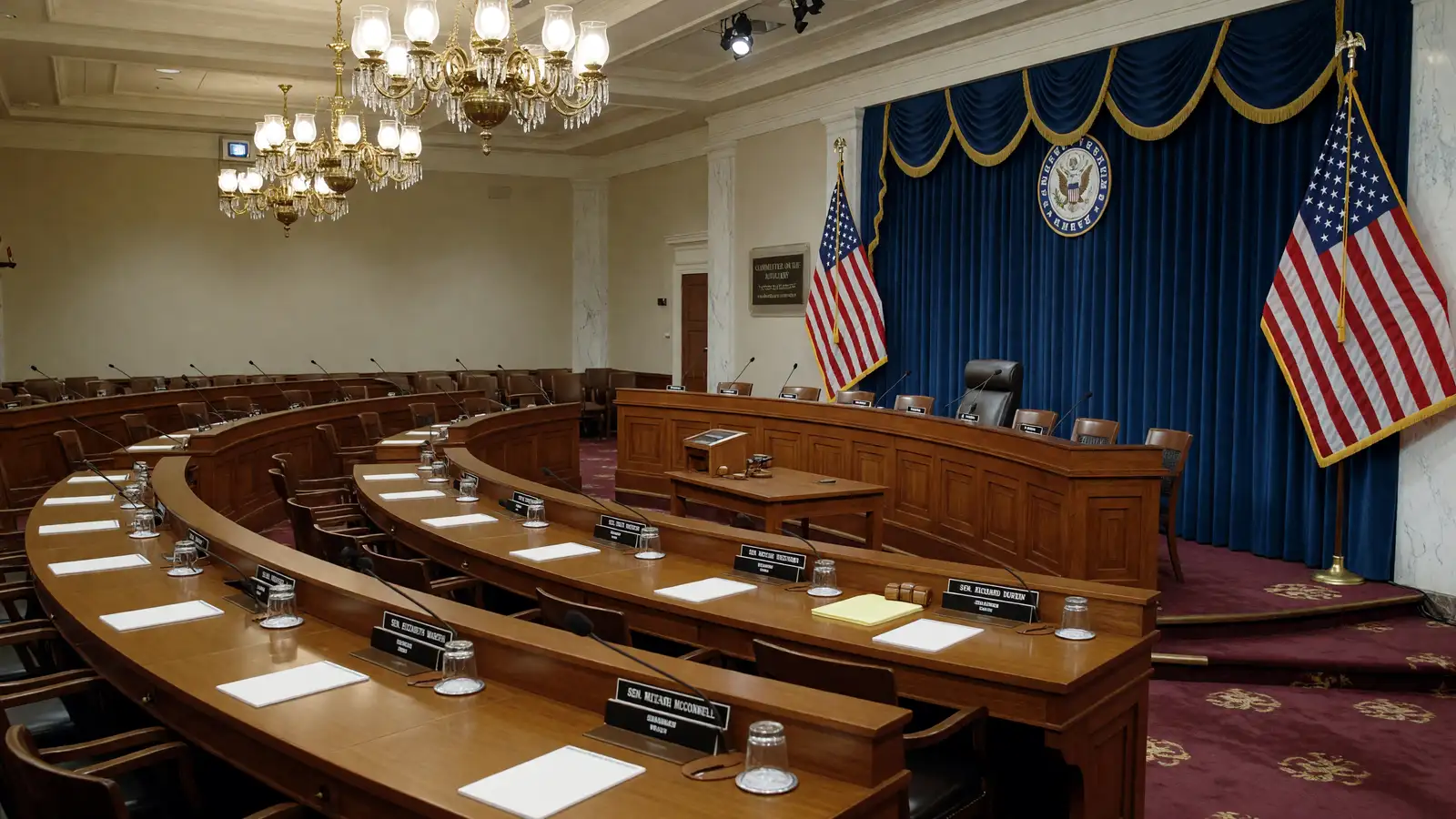
The Senate votes September 15 on whether to proceed with the CLARITY Act. Fail the 60-vote hurdle and the 2026 crypto bill is probably done.

Robinhood's Ethereum Layer-2 network built on Arbitrum has locked over $1 billion in assets. Here's what the milestone signals for the future of decentralized finance.
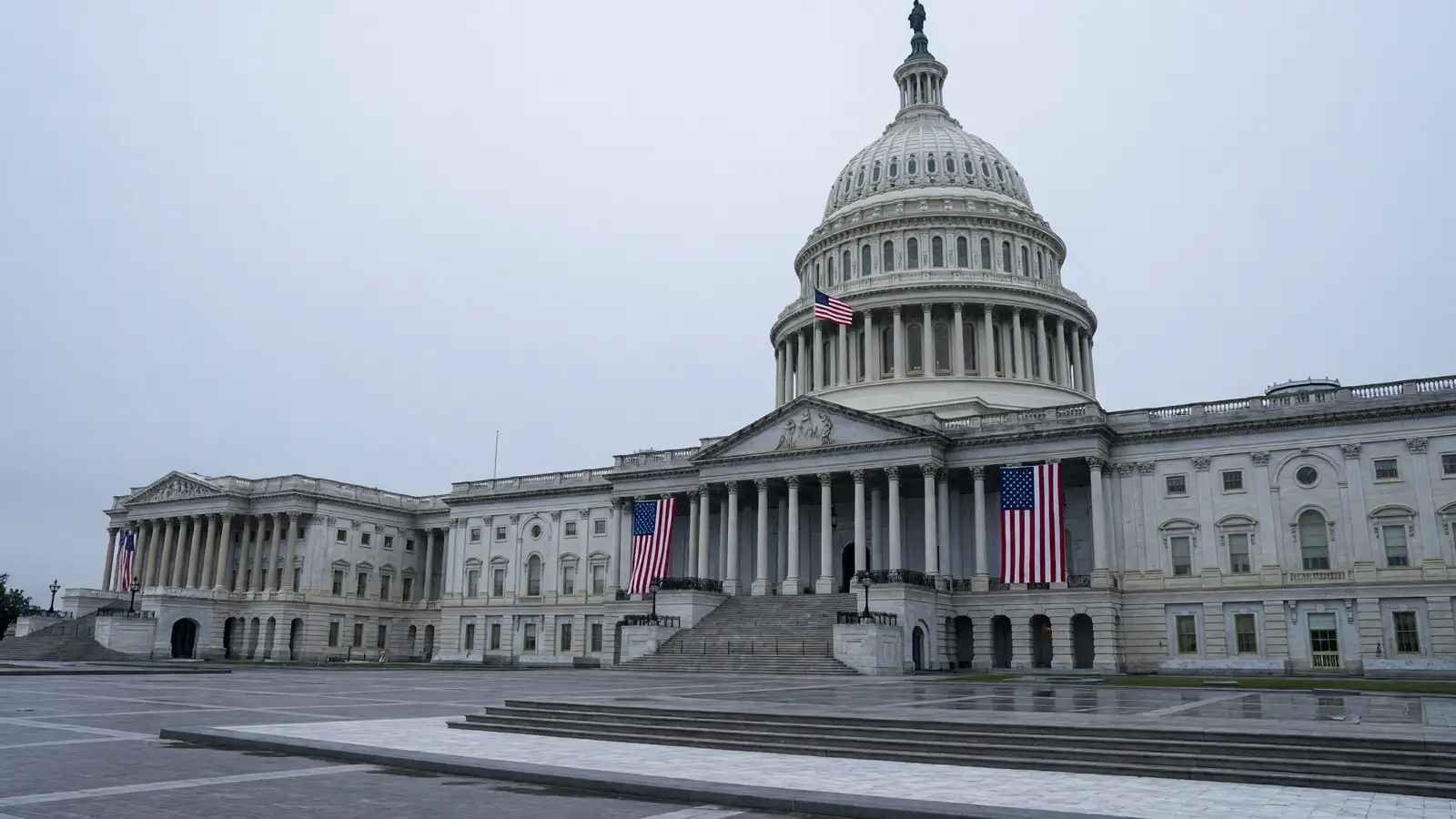
The CLARITY Act passed the House in 2025 but remains stalled in the Senate. Here's what's blocking it, what it would change, and what happens next.
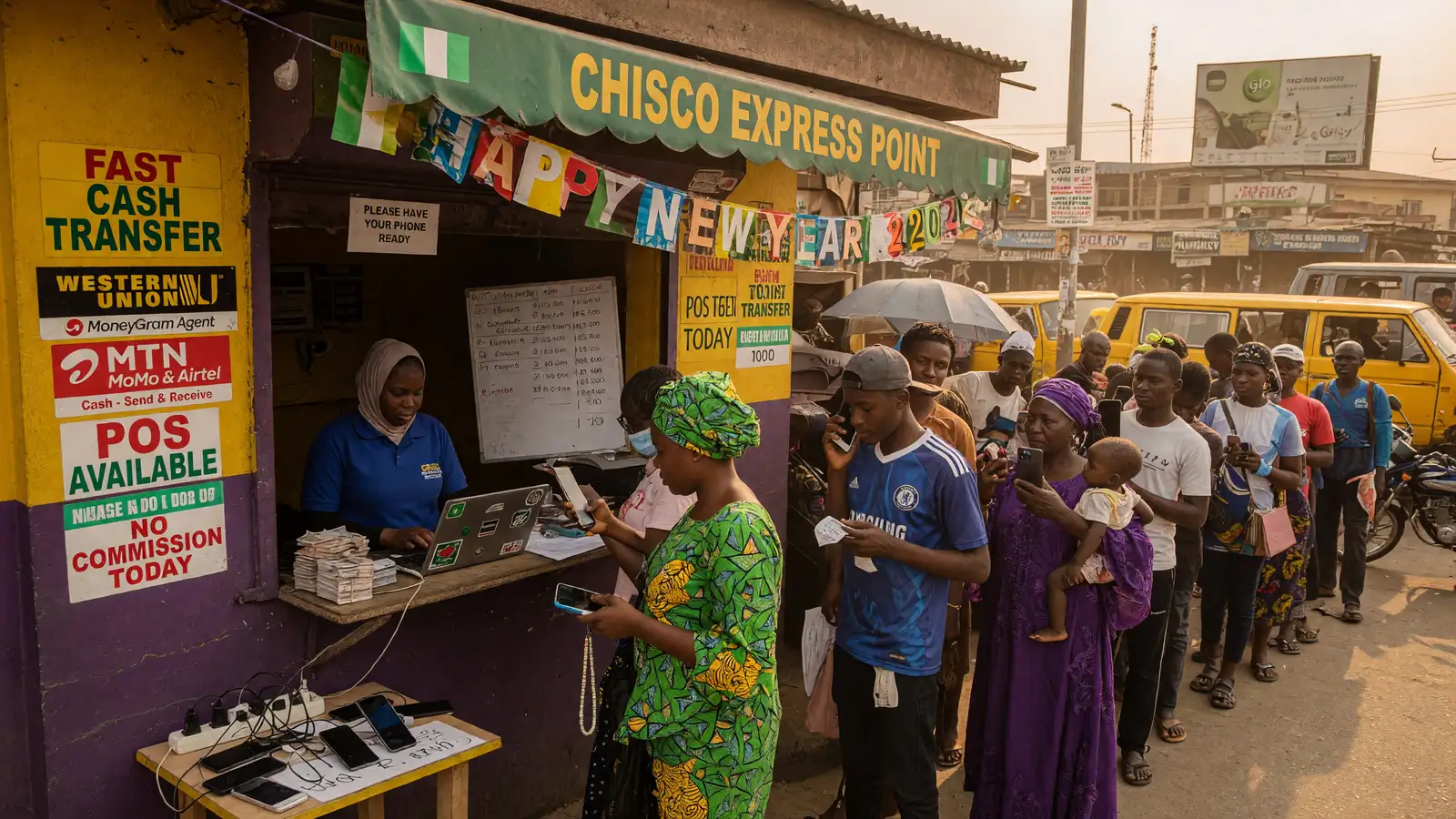
While regulators debate stablecoin classification, remittance companies and fintechs in Africa, Latin America, and South Asia are already using USDC and USDT to move money faster and cheaper than traditional banking allows.

U.S. banks no longer need regulatory approval to accept Bitcoin and Ether as loan collateral. The OCC, Fed, and FDIC removed restrictions in 2025, and major banks are already rolling out crypto-backed lending programs. Here's what it means for crypto holders and traditional finance.
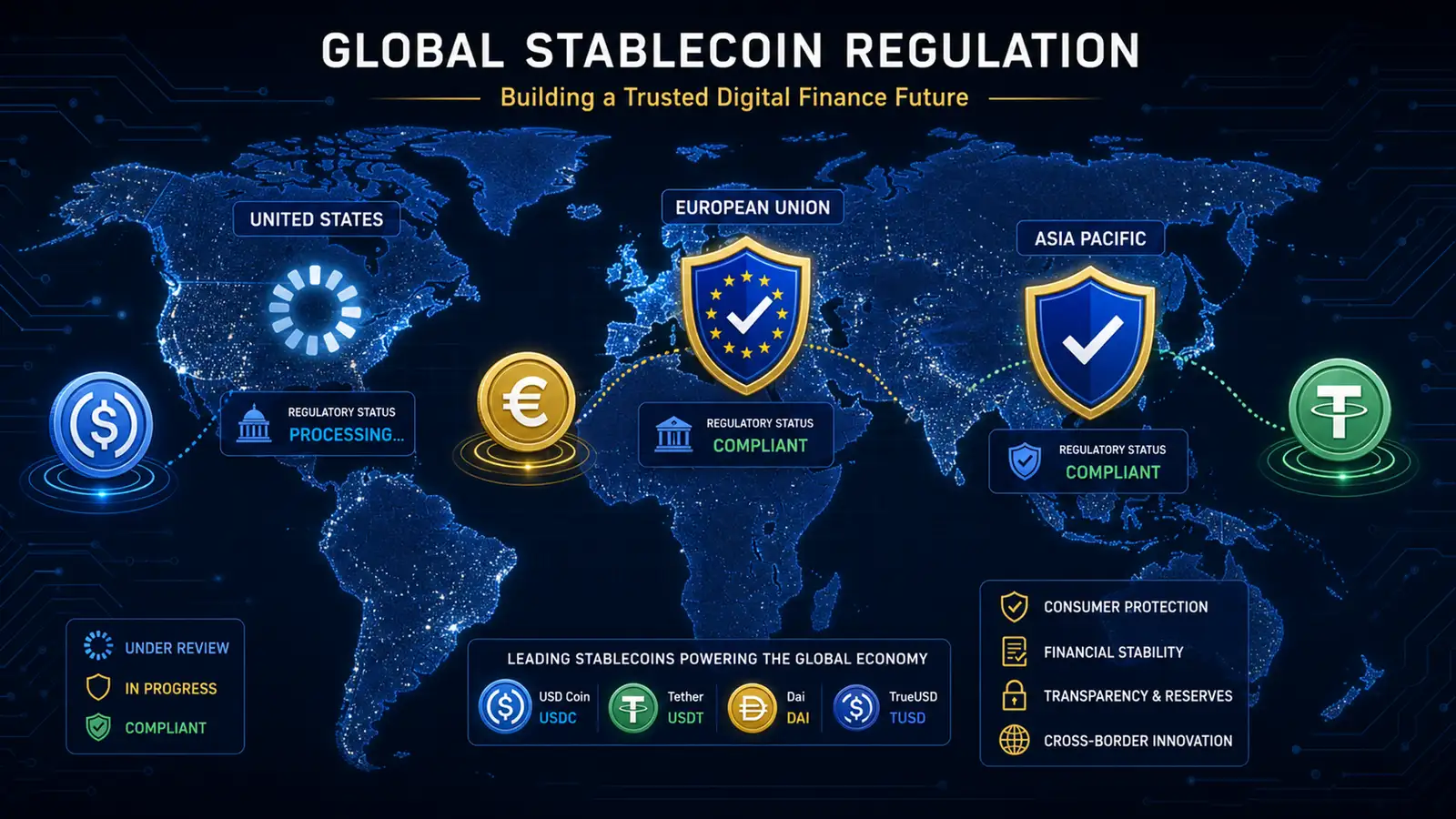
The US GENIUS Act is enacted but not yet effective. MiCA is live in the EU. The global stablecoin regulatory map is fracturing along exactly the lines that matter most.

BitMEX and BitMart are the latest casualties of a Web3 extinction wave. As startups fold, the blockchain infrastructure they built is landing in the hands of the institutions they set out to replace.
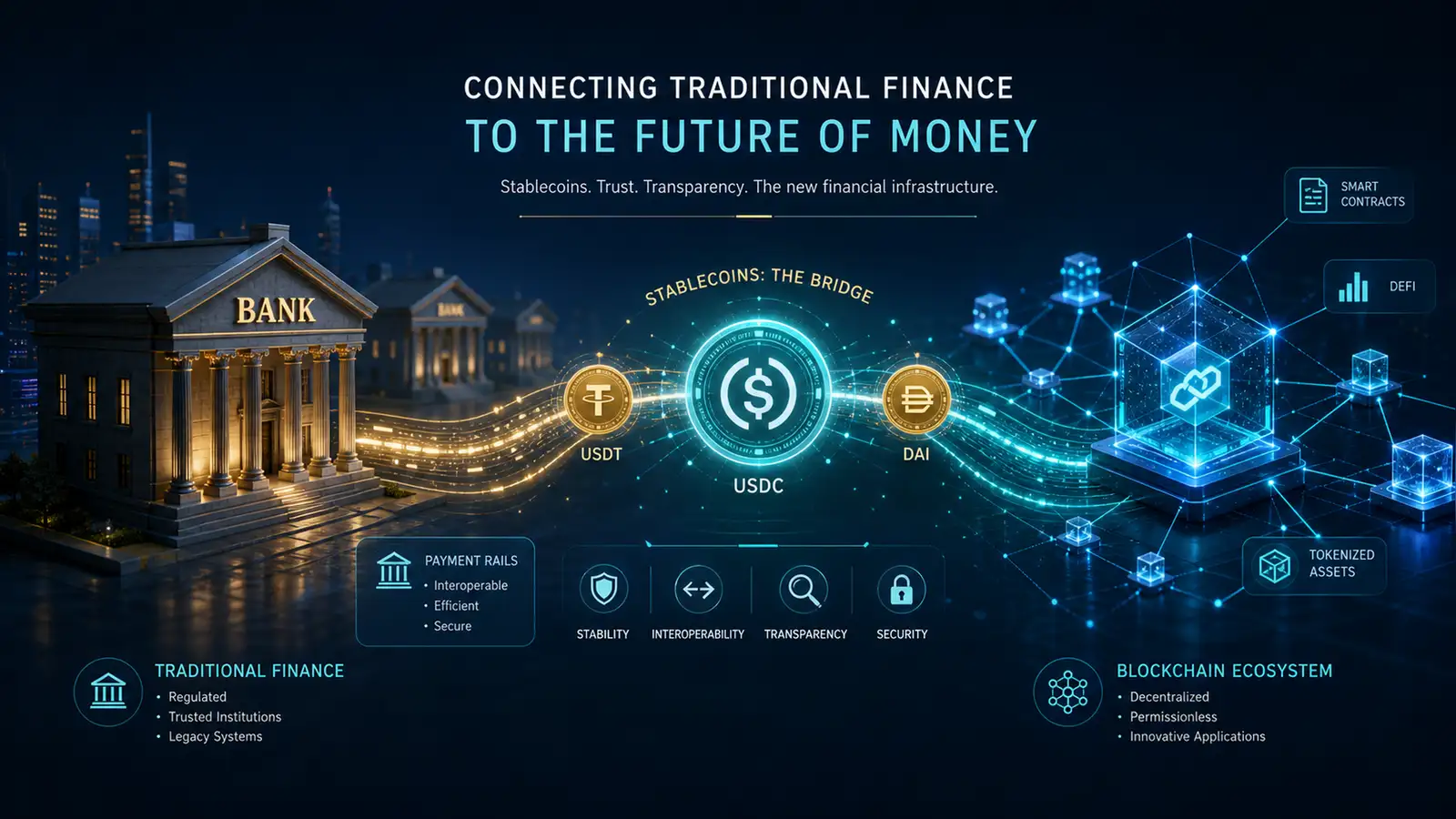
The stablecoin payments startup's Series A signals growing institutional confidence in crypto rails, while the Clarity Act inches toward a Senate vote with Trump's ethics provision approval.
The Clarity Act was supposed to give the crypto industry the regulatory framework it's been begging for. Instead, it's become a political football involving Trump's business ties, a Coinbase CEO intervention, and Democratic senators who won't budge. Here's where things stand.

After years of speculation-driven token models, DePIN projects are finally generating real revenue — $10 million and climbing for the top players. In 2026, decentralized physical infrastructure has become crypto's most tangible pitch for real-world utility.

AI agents can't open bank accounts — but they can hold crypto wallets. In 2026, the convergence of autonomous AI agents and blockchain infrastructure is creating a new economic layer where software transacts, earns, and trades without human intermediaries.

Aave Labs has proposed a landmark $50 million funding arrangement that would direct all protocol revenue to the Aave DAO treasury, setting a new precedent for decentralized governance and sustainable protocol economics.

ERC-4337 and account abstraction are transforming Ethereum wallets from fragile private-key vaults into programmable smart accounts, with profound implications for mainstream crypto adoption.

The Bank for International Settlements released its annual report arguing that stablecoins fall short of the standards required to function as money, with particularly stark warnings for emerging market economies where adoption is growing fastest.

The DeSci movement is building blockchain-based alternatives to the traditional scientific funding and publishing system, with early successes suggesting a path toward more open, efficient, and equitable research.

As the United States debates whether to pursue a digital dollar at all, Europe and China are executing fundamentally different visions of digital currency — and the divergence could reshape global financial infrastructure.

Orbs' launch of on-chain execution infrastructure for institutional crypto trading marks a milestone in the convergence of traditional finance and decentralized finance infrastructure.

Mastodon's new newsletter feature represents a strategic pivot for the decentralized social network, attempting to bridge the gap between the fediverse's open protocols and the creator economy's demand for direct audience monetization.

The Markets in Crypto-Assets regulation's first major deadline is reshaping the European crypto landscape, with stablecoin issuers and exchanges racing to secure licenses as enforcement begins.

The NFT market is quietly transforming from speculative art collecting into the infrastructure layer for digital tickets, membership programs, and loyalty systems — a pivot that could be far more consequential than the hype cycle that preceded it.

Regenerative finance projects are building blockchain-based markets for carbon credits, biodiversity tokens, and environmental assets, creating economic incentives for conservation that traditional climate finance has struggled to deliver.

Robinhood announced plans to expand into tokenized investing and AI-powered trading tools, signaling that the line between traditional brokerage and crypto-native finance is dissolving faster than regulators can draw it.

Self-sovereign identity systems, which give individuals control over their digital identities rather than relying on centralized platforms, are gaining adoption in enterprise, government, and education.

Despite crypto market volatility, the tokenization of real estate assets continues to advance, with platforms, legal frameworks, and institutional interest converging toward a market that could fundamentally change property investment.

A consortium including Visa, Mastercard, and major banks launched a global stablecoin initiative, marking the moment when the payment card networks officially embraced blockchain-based settlement as core infrastructure.

The Web3 gaming sector has survived its hype-cycle hangover and is coalescing around a sustainable model: games that are fun first and crypto-enabled second, with tokenomics designed for player engagement rather than speculation.

SBI Holdings is acquiring Japanese exchange Bitbank for $289M, adding 2.9 million crypto accounts and $1.1 trillion in custody. The move is part of a broader pattern: traditional finance is no longer testing Web3, it's buying in.

From $66M identity startups to government digital ID panels, the decentralized identity movement is reshaping how we think about digital ownership, privacy, and trust in 2026.

Digital Asset raised $355 million led by Andreessen Horowitz to scale its Canton Network. The 700-participant blockchain is becoming the infrastructure layer where TradFi and Web3 finally overlap.

Real-world asset tokenization has crossed $26 billion on public blockchains in 2026. With BlackRock, the SEC, and major banks building the infrastructure, this is no longer a crypto experiment — it is the quiet rewiring of global capital markets.

Explore how modular blockchain architecture and decentralized AI are converging to reshape Web3, enabling scalable infrastructure and intelligent autonomous systems.

Learn how RWA tokenization bridges the gap between DeFi and traditional finance, enabling fractional ownership and enhanced liquidity for real-world assets.