Samsung AR Glasses 2026: The Race for Spatial Computing Heats Up
Samsung enters the AR wearables space
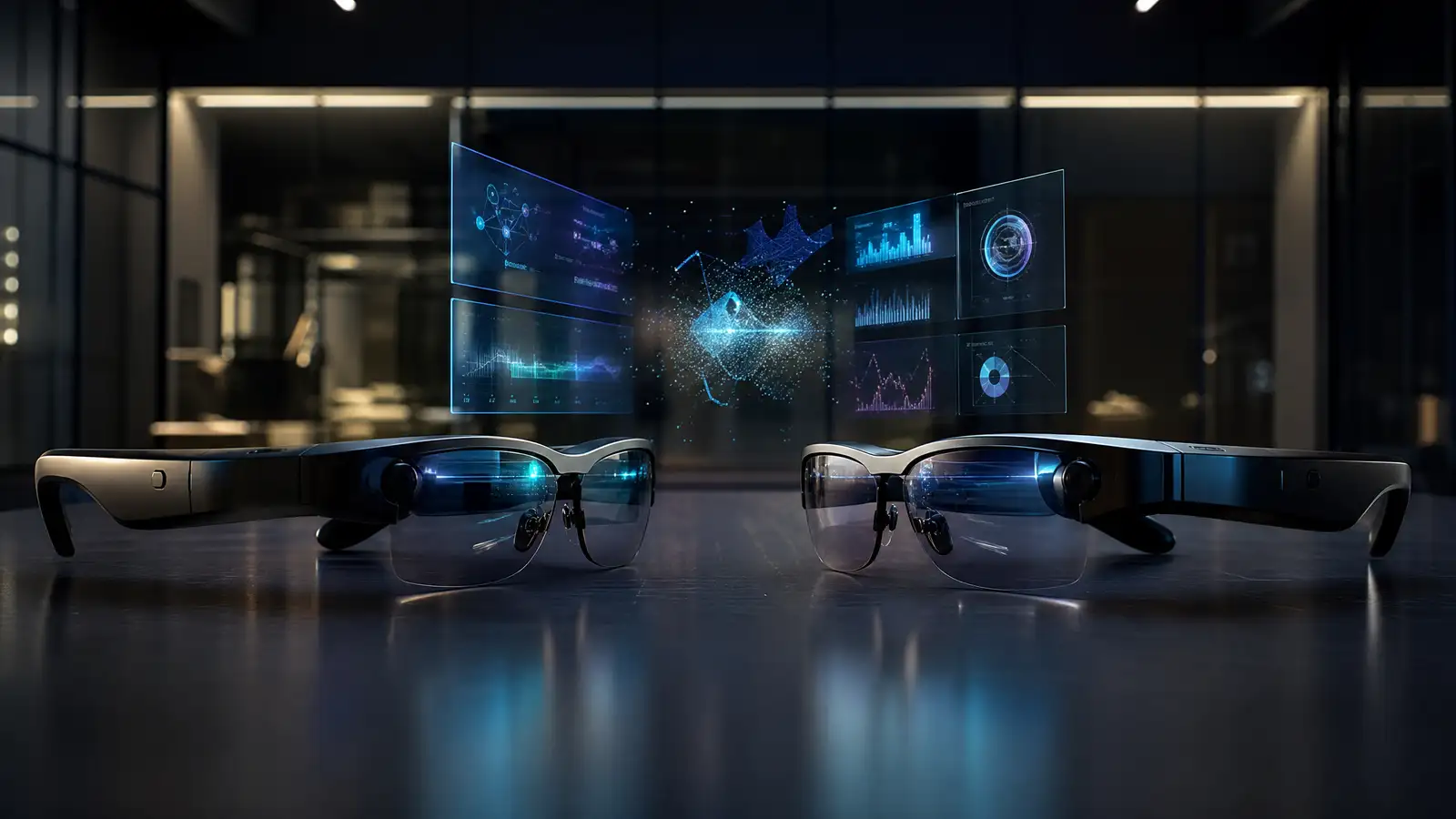
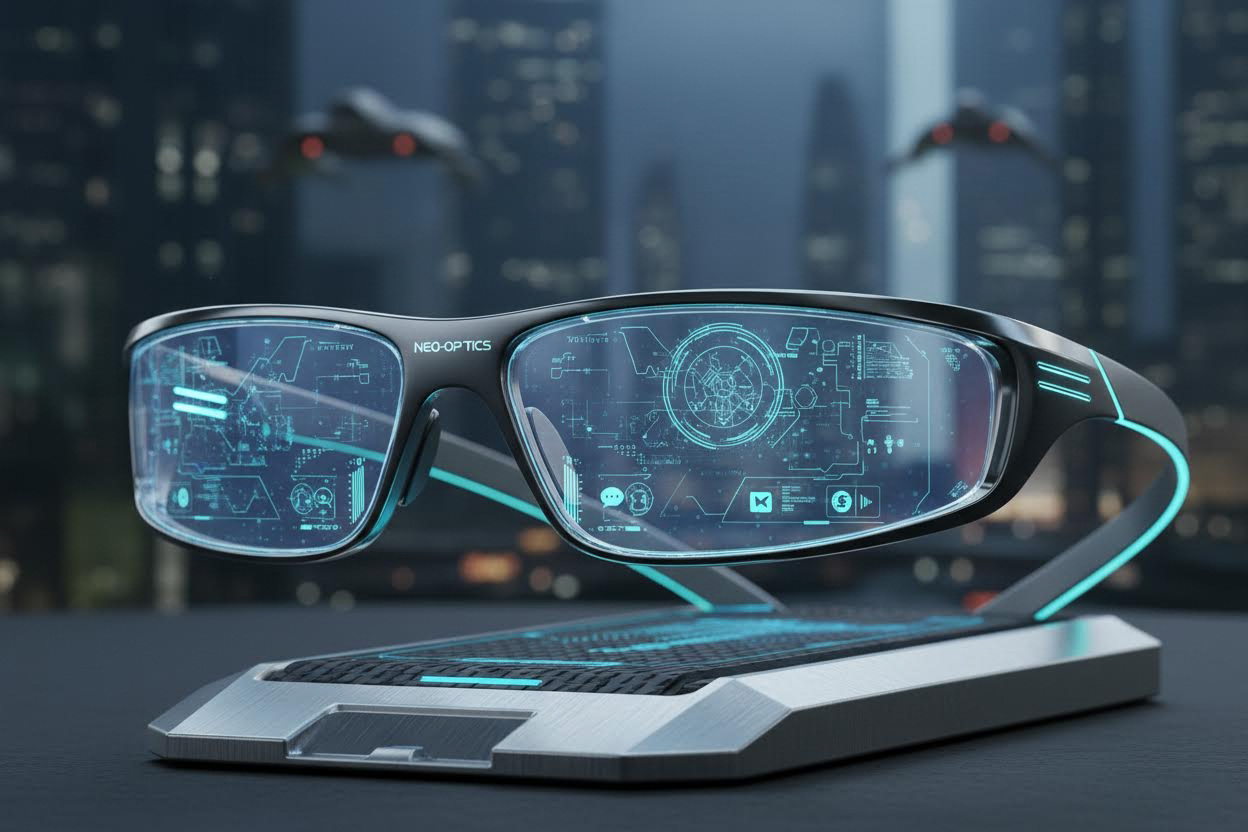
After years of speculation, Samsung is finally ready to launch its augmented reality glasses. The company confirmed its “Infinite” XR project will deliver a consumer product in 2026. This puts them in direct competition with Apple and Meta.
What makes Samsung’s AR glasses different
Unlike the bulky Vision Pro headset, Samsung’s AR glasses aim for everyday wearability. Reports suggest the device weighs around 50 grams, roughly equivalent to regular sunglasses.
The focus is on practical augmented reality rather than full immersion. Users get contextual information overlaid on their real environment without being cut off from the world around them.
Samsung emphasizes “user-centered AI experience” as the core differentiator. The glasses integrate voice, vision, and gesture-based interactions for easy control.
Technical specifications (based on leaks)
While Samsung hasn’t officially confirmed all details, industry leaks point to these features:
- Display: High-resolution micro-OLED for crisp AR overlays
- Processor: Qualcomm AR1 chip designed specifically for smart glasses
- Camera: 12-megapixel autofocus camera for capture and environment analysis
- Battery: 155mAh for all-day use
- Special feature: Electrochromic lens technology for adjusting tint
This hardware should enable features like real-time translation, navigation overlays, and hands-free messaging.
The AI integration
Samsung is betting heavily on AI to make AR glasses useful rather than gimmicky. The glasses will feature:
Real-time environment awareness: The camera and sensors understand what’s around you, enabling context-aware assistance.
Smart notifications: Information appears when relevant, not as constant distractions.
Voice commands: Natural language interaction without reaching for your phone.
Gesture control: Simple hand movements to interact with virtual elements.
This aligns with Samsung’s broader AI strategy across their product lineup.
Market context: Why 2026 matters
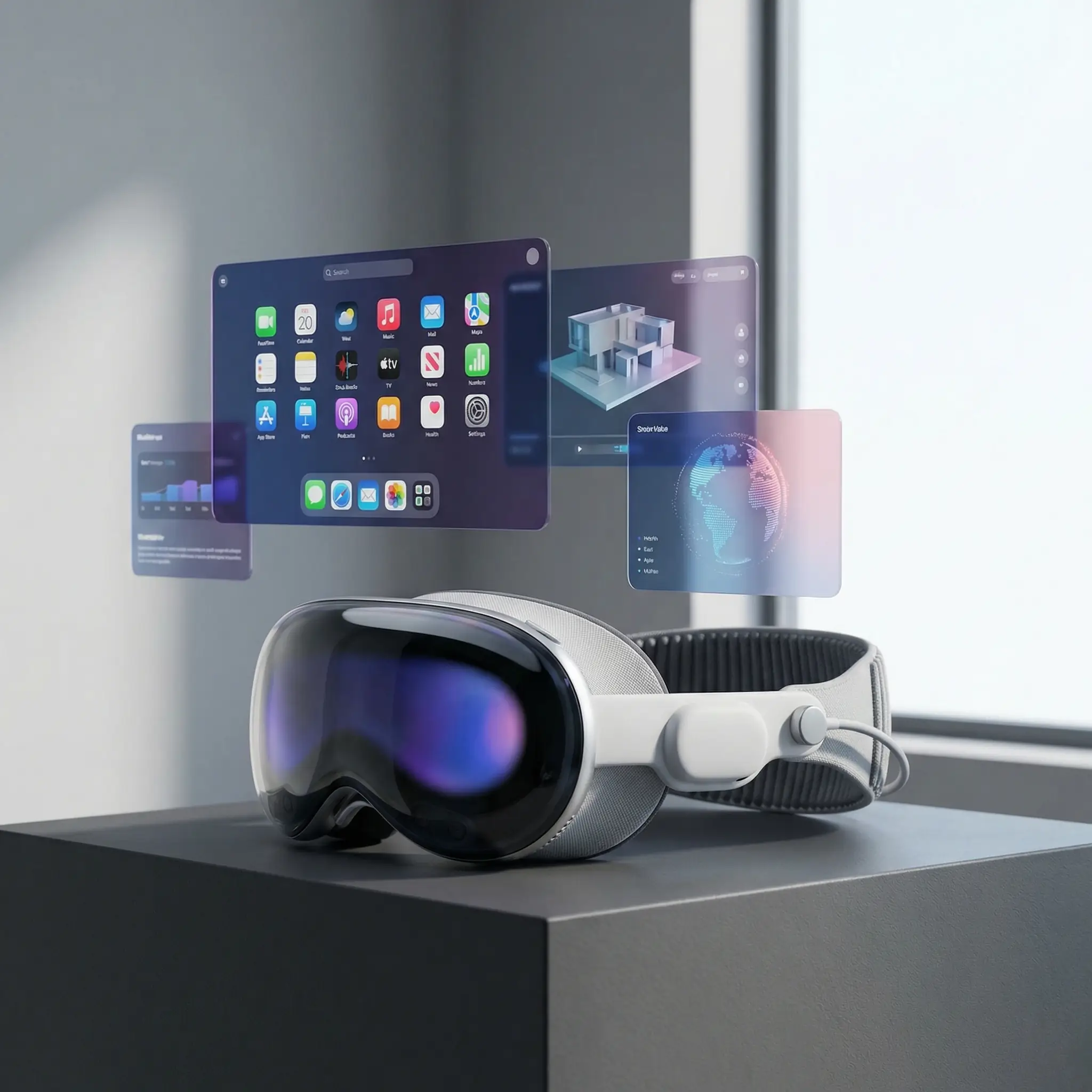
The AR glasses market has been promise and disappointment for years. Google Glass arrived too early. Snap Spectacles never achieved mass adoption. Even Apple Vision Pro, despite its technical prowess, remains a niche product due to its $3,500 price tag.
Several factors make 2026 different:
- AI capabilities have matured: Large language models enable natural interaction
- Component costs have dropped: Micro-OLED displays and processors are affordable at scale
- Consumer expectations are set: People understand what AR can offer
- Use cases are clearer: Enterprise and consumer applications are proven
Competition landscape
Samsung isn’t alone in pursuing AR glasses:
Apple continues to refine Vision Pro but seems focused on the premium market. A cheaper version is rumored for 2027.
Meta has shifted strategy, reducing VR investment to focus on wearable devices. Their partnership with Ray-Ban shows interest in everyday wearables.
Google is working on Android XR, potentially launching their own glasses in late 2026 or 2027.
Samsung’s advantage lies in their existing smartphone ecosystem and manufacturing capabilities.
What this means for consumers
If Samsung delivers on their promise, 2026 could mark the year AR glasses go mainstream. A device that’s comfortable enough to wear all day and practical enough to replace some phone functions could change how we interact with technology.
The success depends on three factors: price, battery life, and useful applications. Samsung needs to hit a price point under $500 to achieve mass adoption.
Summary
Samsung’s AR glasses represent a significant milestone in wearable technology. By prioritizing everyday wearability over technical spectacle, they could achieve what previous attempts failed to do.
The combination of proven AI capabilities, mature component technology, and Samsung’s manufacturing scale makes this launch worth watching.
Next steps:
- Follow Samsung’s Galaxy Unpacked events for official announcements
- Research existing AR applications for productivity
- Consider what use cases would matter most to you
Related articles: