
Blockchain
TRON's $2.21 Trillion Is a Quarter. $30 Trillion Is Not.
TRON DAO's Q3 release puts stablecoin settlement at $2.21 trillion and cumulative volume past $30 trillion. The $94 billion line is a different cut.
Articles tagged with blockchain
TRON DAO's Q3 release puts stablecoin settlement at $2.21 trillion and cumulative volume past $30 trillion. The $94 billion line is a different cut.
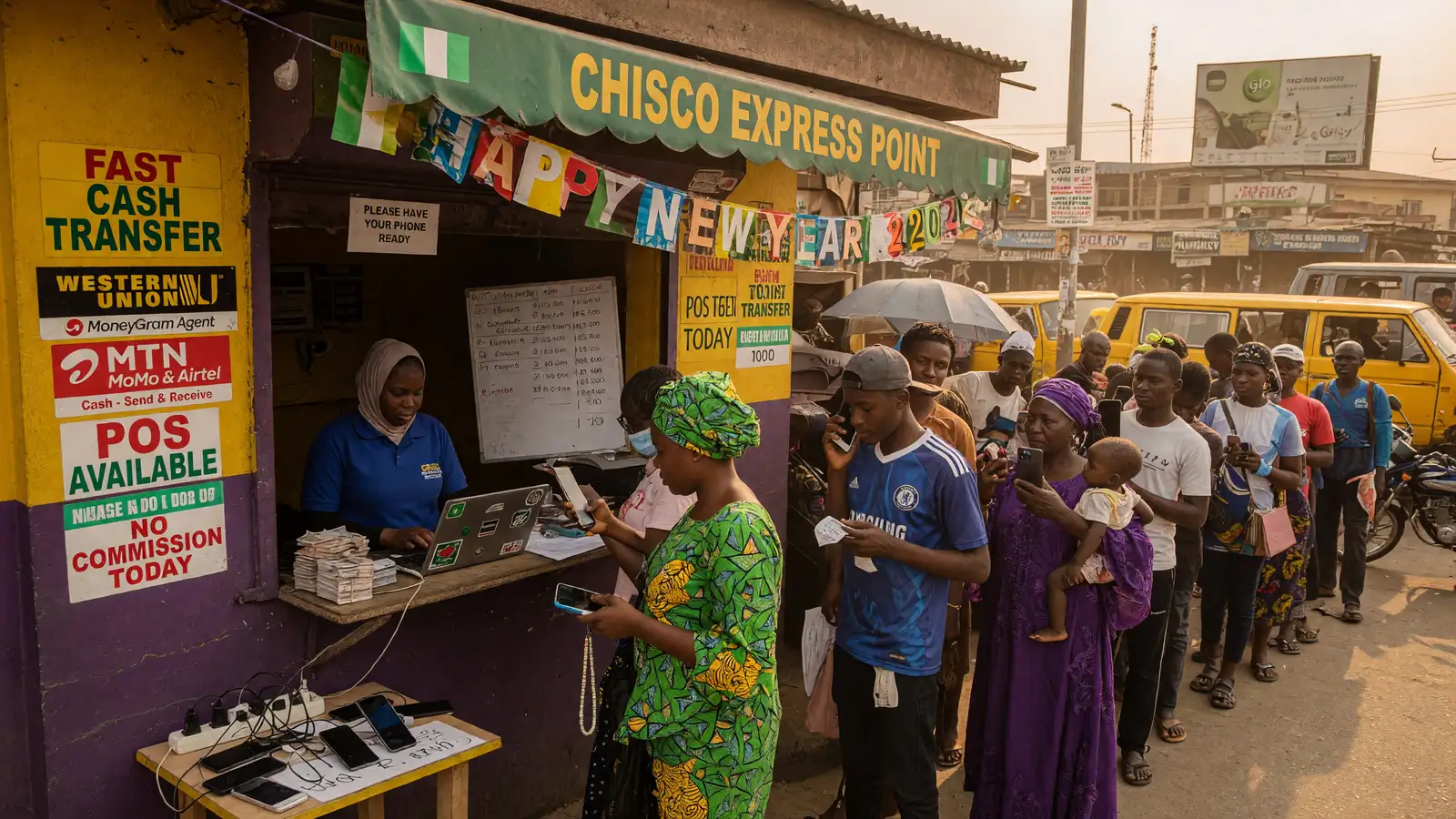
While regulators debate stablecoin classification, remittance companies and fintechs in Africa, Latin America, and South Asia are already using USDC and USDT to move money faster and cheaper than traditional banking allows.

From buried gold to billion-dollar office campuses, companies are turning real-world assets into blockchain tokens. The market is $31 billion today. BlackRock's Larry Fink says it will eventually be everything.

Bernstein puts the odds of the CLARITY Act passing at 30%. Here's what the bill would do, who's backing it, and what happens if it fails.

BitMEX and BitMart are the latest casualties of a Web3 extinction wave. As startups fold, the blockchain infrastructure they built is landing in the hands of the institutions they set out to replace.

On-chain stablecoin volume hit $7.2 trillion in February 2026, passing the ACH network for the first time. With total market cap at $316 billion and Citi forecasting $1.9 trillion by 2030, stablecoins are quietly becoming the settlement backbone of global finance.
After years of speculation-driven token models, DePIN projects are finally generating real revenue — $10 million and climbing for the top players. In 2026, decentralized physical infrastructure has become crypto's most tangible pitch for real-world utility.
AI agents can't open bank accounts — but they can hold crypto wallets. In 2026, the convergence of autonomous AI agents and blockchain infrastructure is creating a new economic layer where software transacts, earns, and trades without human intermediaries.

Several jurisdictions are moving to grant decentralized autonomous organizations formal legal status, resolving one of the biggest barriers to mainstream DAO adoption: legal uncertainty.

The DeSci movement is building blockchain-based alternatives to the traditional scientific funding and publishing system, with early successes suggesting a path toward more open, efficient, and equitable research.

The Ethereum Foundation's decision to cut a fifth of its workforce while key leaders depart raises fundamental questions about how decentralized protocols should be governed, funded, and evolved.
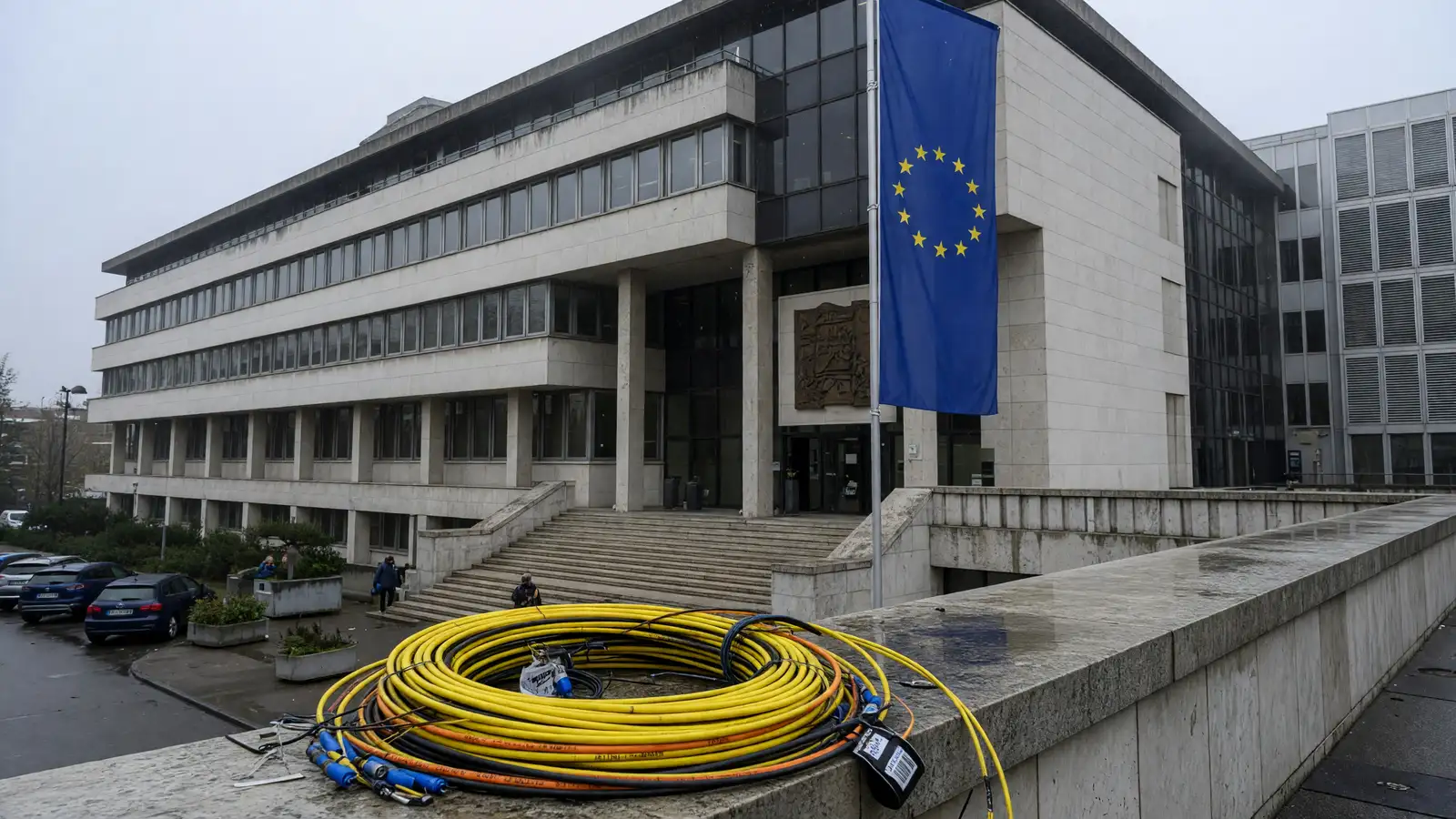
A growing tension between national sovereignty and cross-border blockchain integration is shaping Europe's digital infrastructure strategy, with implications for trade, regulation, and the continent's competitive position.

Orbs' launch of on-chain execution infrastructure for institutional crypto trading marks a milestone in the convergence of traditional finance and decentralized finance infrastructure.

LVMH's recognition of AI traceability and blockchain training tools signals that the luxury industry sees distributed ledger technology as essential infrastructure for authenticity, sustainability, and consumer trust.
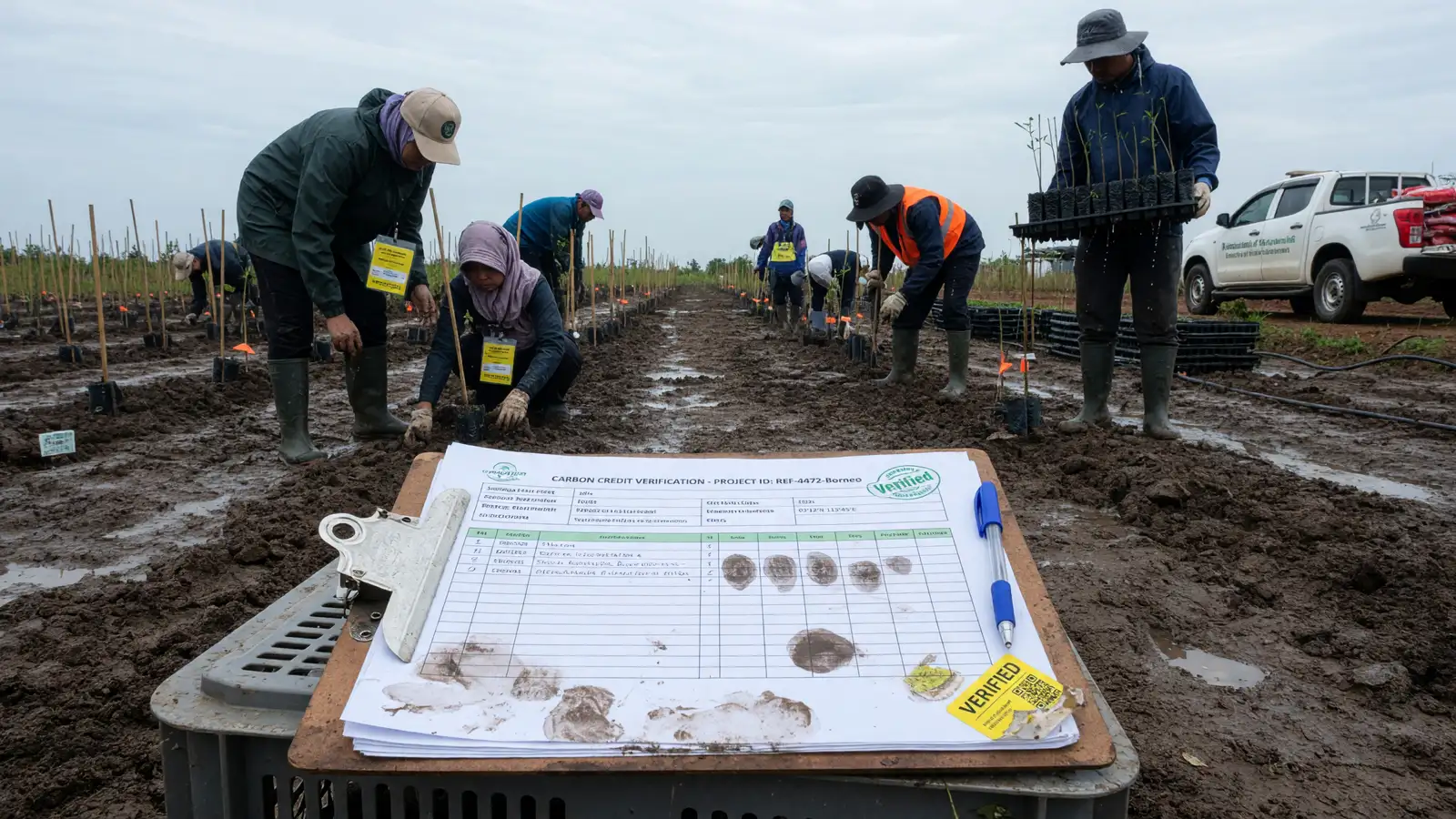
Regenerative finance projects are building blockchain-based markets for carbon credits, biodiversity tokens, and environmental assets, creating economic incentives for conservation that traditional climate finance has struggled to deliver.
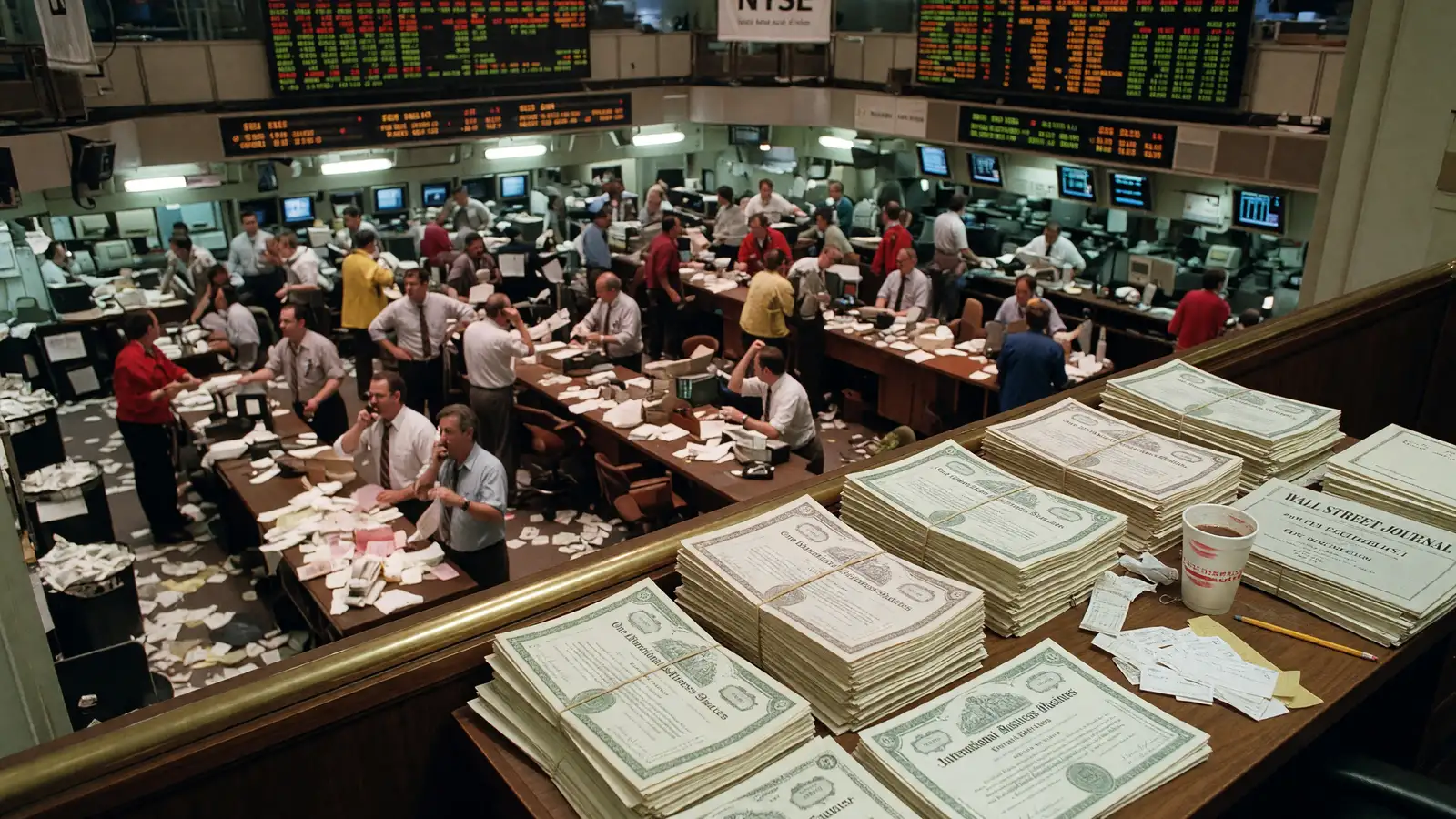
Securitize tokenized $295 million of its own equity on Solana and Avalanche as it prepares for an NYSE debut, marking one of the largest self-tokenizations ever and signaling that traditional finance is adopting blockchain infrastructure faster than expected.
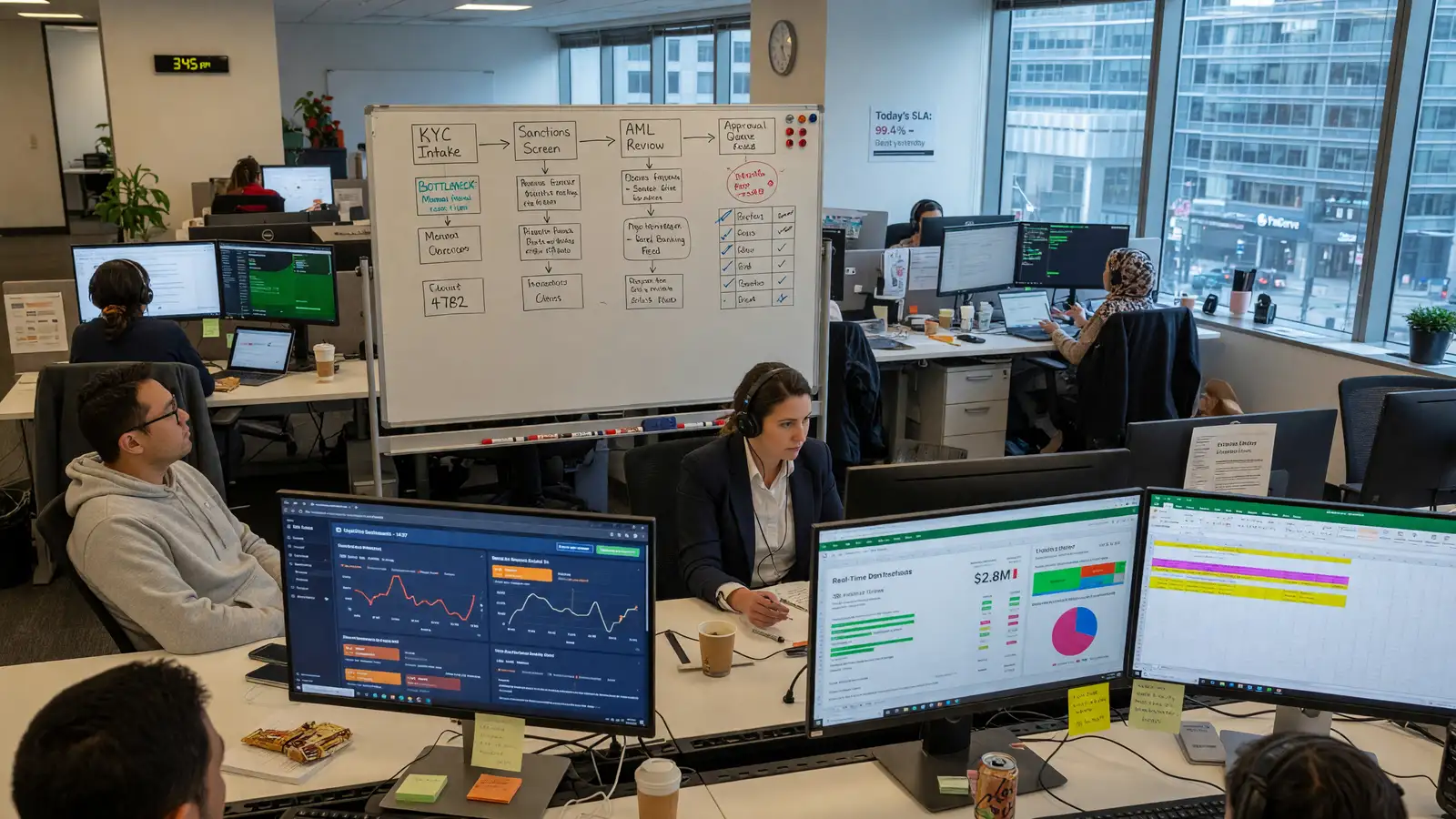
Sperax launches SperaxOS, an AI agent workspace purpose-built for decentralized finance, representing the culmination of seven years of development at the intersection of blockchain infrastructure and autonomous agents.

Despite crypto market volatility, the tokenization of real estate assets continues to advance, with platforms, legal frameworks, and institutional interest converging toward a market that could fundamentally change property investment.

A consortium including Visa, Mastercard, and major banks launched a global stablecoin initiative, marking the moment when the payment card networks officially embraced blockchain-based settlement as core infrastructure.
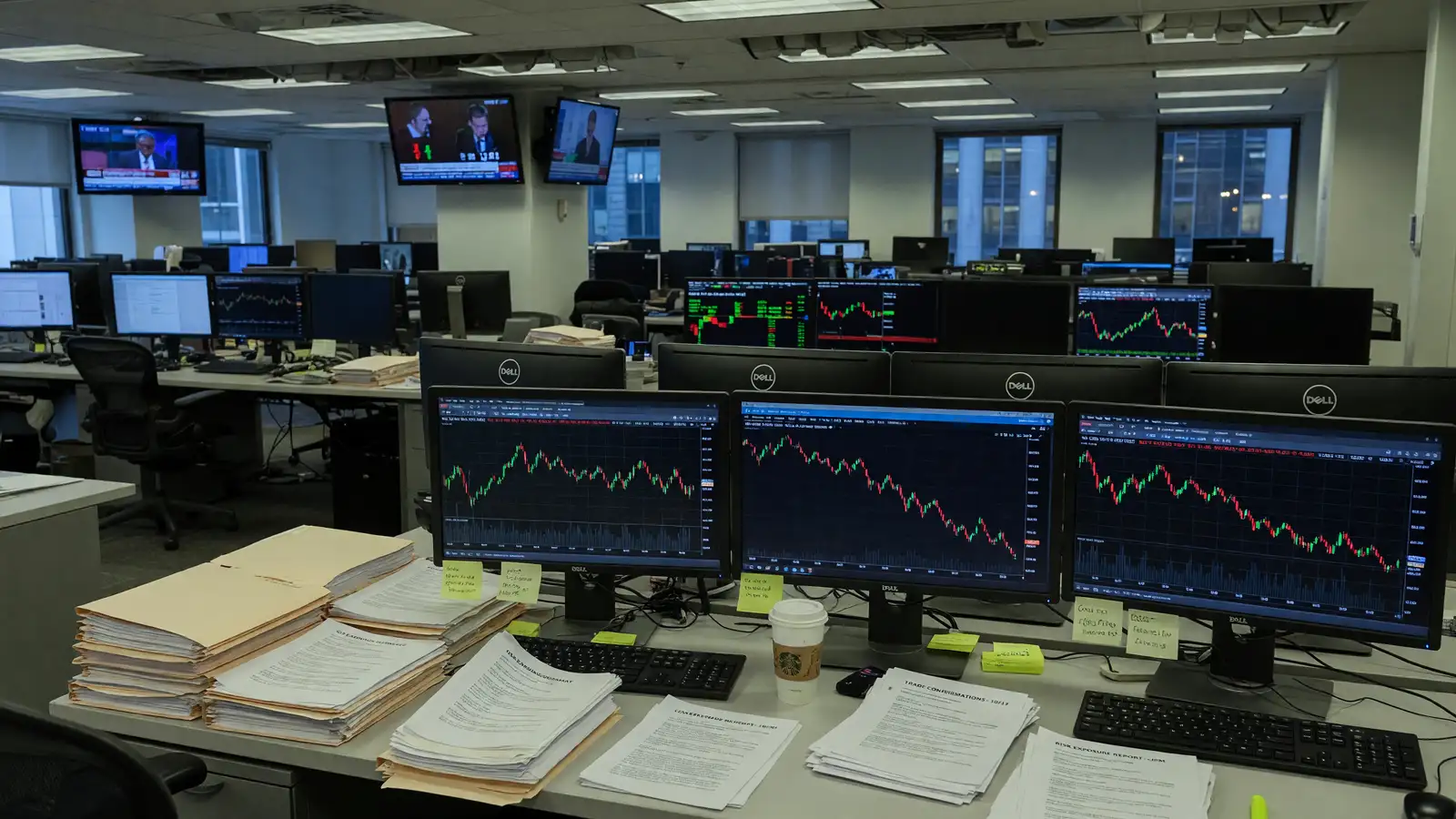
Banks and asset managers have tokenized $31 billion in real-world assets on blockchains, but most of it sits dormant — revealing a gap between the infrastructure for tokenization and the markets needed to make it useful.
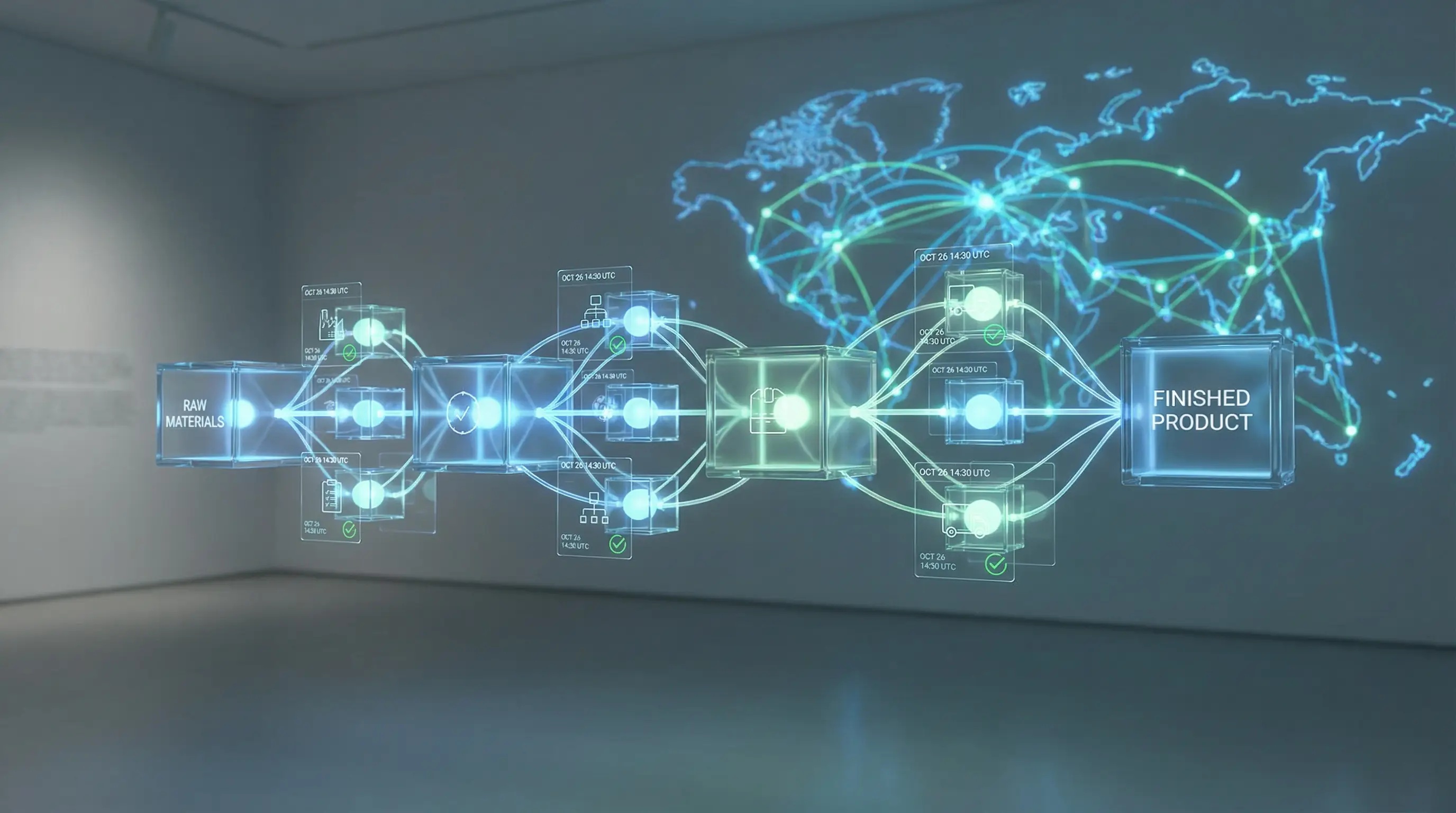
Learn how blockchain technology transforms supply chain transparency and traceability through real case studies from Walmart, Maersk, and pharma leaders.

Learn how RWA tokenization bridges the gap between DeFi and traditional finance, enabling fractional ownership and enhanced liquidity for real-world assets.